
Call us now :08071931998
 Send Inquiry
 Send Inquiry
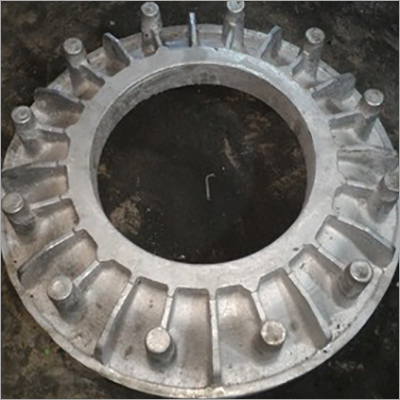
Sand Castings
Price 300-350 INR/ Kilograms
MOQ : 500 Kilograms, ,
Sand Castings Specification
- Process
- Sand casting (automatic/hand moulding)
- Refractoriness
- High (suitable for ferrous and non-ferrous alloys)
- Product Type
- Engineering industrial sand casting
- Material
- Grey Iron, SG Iron, Mild Steel, Alloy Steel, Aluminium, Brass, Bronze
- Tolerance
- 0.5 mm to 2 mm (depends on size and complexity)
- Surface Finishing
- Shot blasting, sand blasted, painted, or machined
- Application
- Automotive, marine, heavy machinery, engineering components
- Weight
- 0.5 kg to 2000 kg
- Dimension (L*W*H)
- As per customer specification (customizable)
- Color
- Natural, black, or as specified
- Shape Complexity
- Simple to intricate shapes possible
- Standards
- ASTM, IS, or customer specified
- Machinability
- Good, suitable for further machining
- Packaging
- Wooden pallets or crates for safe transport
- Hardness
- 180-350 HB (as per requirement)
- Strength
- Optimized mechanical strength, varies by alloy
- Heat Treatment
- Available on request (annealing, normalizing etc.)
- Quantity
- Low to high volume production possible
- Density
- As per metal composition (grey iron: ~7.1 g/cm³)
- Casting Defects Control
- Inspected for blowholes, cracks, and inclusions
Sand Castings Trade Information
- Minimum Order Quantity
- 500 Kilograms, ,
- Supply Ability
- 500 Kilograms, , Per Day
- Delivery Time
- 8-10 Days
About Sand Castings
We have a broad and quality range of sand castings that are made keeping in mind the requirements of different industries. Manufactured using first grade aluminium alloy, these are widely used in construction, manufacturing, automobile, mining and various other industries. With high sturdiness, corrosion resistance and durability, these offer value for money and are available in an assortment of sizes. You can avail these from us at highly competitive prices.
Specification
| Minimum Order Quantity | 1000 Kilogram |
| Material | Aluminium |
| Color | Silver |
| Condition | New |
| Usage/Application | Automotive Industry |
| I Deal In | New Only |
Advanced Sand Casting Process
Sand casting employs automatic or hand moulding techniques to produce robust parts with high refractoriness. This process facilitates the manufacture of both ferrous and non-ferrous alloys, ensuring flexible production scales. Precise control over dimensional tolerances and finish gives manufacturers the edge in delivering reliable components tailored to specific requirements.
Customizable Material and Finishing Options
Clients can choose from a range of materialsincluding grey iron, SG iron, steels, aluminium, brass, or bronzeto match their performance criteria. Surface finishes such as shot blasting, sand blasting, painting, or machining are available, enhancing both aesthetic and functional quality. Packaging is thoughtfully managed using sturdy wooden pallets and crates for safe domestic or export delivery.
Broad Application Across Industries
These sand castings are integral to various sectors. Applications include automotive parts, marine fittings, heavy equipment, and engineering assemblies. Customization in dimension, colour, and volume means parts are readily adapted to the complexity and demands of different industrial uses.
FAQs of Sand Castings:
Q: How is the hardness of sand castings adjusted to meet specific requirements?
A: The hardness of sand castings can be tailored between 180 and 350 HB as per application needs, depending on the alloy composition and post-casting heat treatment such as annealing or normalizing, which is offered upon request.Q: What types of materials are available for sand castings?
A: Sand castings can be made from grey iron, SG iron, mild steel, alloy steel, aluminium, brass, and bronze. The choice of material is guided by performance, machinability, and the intended use of the final product.Q: When is heat treatment applied to sand castings?
A: Heat treatmentincluding processes like annealing and normalizingis available upon request. It is typically applied when improvement in mechanical properties or stress relief is necessary for the specific application.Q: Where are sand castings commonly used?
A: Sand castings find widespread application in automotive, marine, heavy machinery, and general engineering sectors. They are particularly valued for their adaptability to customized shapes and requirements.Q: What process controls are implemented to reduce casting defects?
A: Each sand casting is carefully inspected for defects such as blowholes, cracks, and inclusions. Advanced process controls and quality checks are integral to ensuring high reliability and performance of the components.Q: How does the sand casting process benefit manufacturers and end-users?
A: Sand casting offers flexibility in both shape and volume, enabling production of everything from small, complex components to large, structural items. Its good machinability and customizable finishing increase functional value while meeting various standards such as ASTM and IS.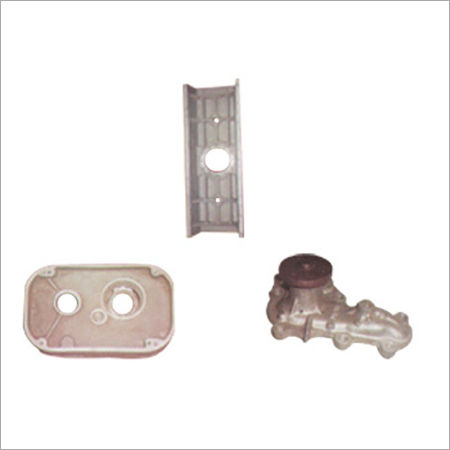
Tell us about your requirement

Price:
Quantity
Select Unit
- 50
- 100
- 200
- 250
- 500
- 1000+
Additional detail
Mobile number
Email

More Products in Sand Castings Category
Aluminum Sand Castings
Price 300-350 INR / Kilograms
Minimum Order Quantity : 500 Kilograms
Tolerance : 0.05 mm to 0.5 mm (depends on size and complexity)
Dimension (L*W*H) : Customized as per client specification
Surface Finishing : Other, Sand blasted, shot blasted, or as cast
Color : Silver/Grey (natural aluminum)
Aluminum Valve Bodies
Price 300-350 INR / Kilograms
Minimum Order Quantity : 500 Kilograms
Tolerance : 0.01 mm
Dimension (L*W*H) : 120 mm x 85 mm x 40 mm
Surface Finishing : Other, Anodized / Polished
Color : Silver / Grey
Aluminium Valve Casting
Price 300-350 INR / Kilograms
Minimum Order Quantity : 500 Kilograms
Tolerance : 0.05 mm
Dimension (L*W*H) : Customizable as per design
Surface Finishing : Other, Shot Blasting, Powder Coated
Color : Silver Grey
Aluminium Sand Casting
Price 300-350 INR / Kilograms
Minimum Order Quantity : 500 Kilograms
Tolerance : 0.1 mm to 0.5 mm
Dimension (L*W*H) : Custom as per drawing or requirement
Surface Finishing : Other, As Cast / Custom (Machined, Polished)
Color : Silver / Grey

 Send Inquiry
Our Products

Gala No.10 & 19, Oberoi Industrial Estate, Opposite Varun Steel,Vasai - 401208, Maharashtra, India

Mr. Chirag
(Partner)
Mobile :08071931998
Mr. Rajesh Shah
(Partner)
Mobile :08071931998
 Send Inquiry
 Send SMS
Developed and Managed by Infocom Network Private Limited.


